
Nike’s Secret Strategy That’s Quietly Dominating 2026

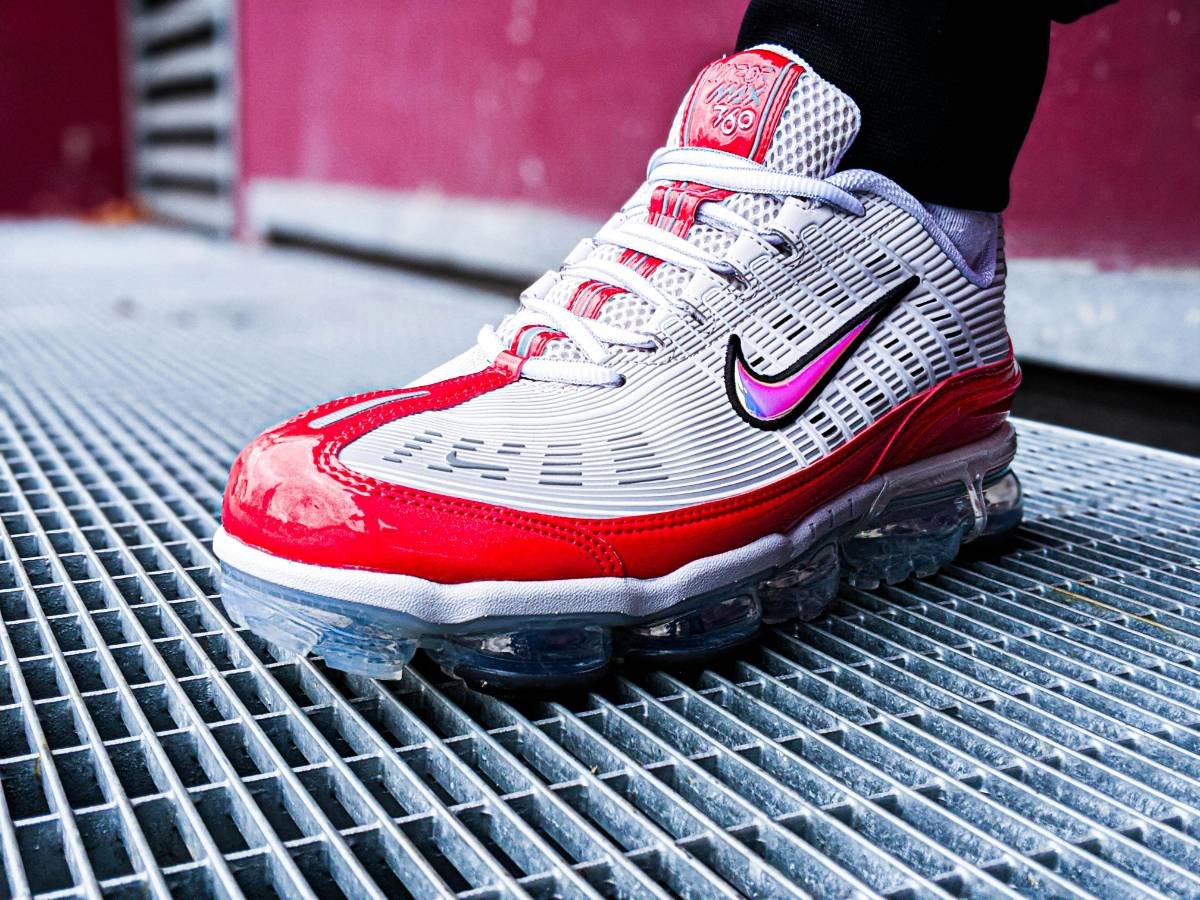
Nike is not just leading the sneaker market in 2026—it is quietly redefining how brands connect with customers. By combining direct-to-consumer dominance, data-driven personalization, limited-edition releases, and a powerful digital ecosystem, Nike has created a strategy that keeps customers engaged far beyond a single purchase.
Introduction: Why Everyone Is Talking About Nike in 2026
Nike has always been a global leader in sportswear, but its current dominance goes far beyond iconic sneakers or celebrity endorsements. In 2026, Nike operates more like a tech-driven lifestyle platform than a traditional retail brand.
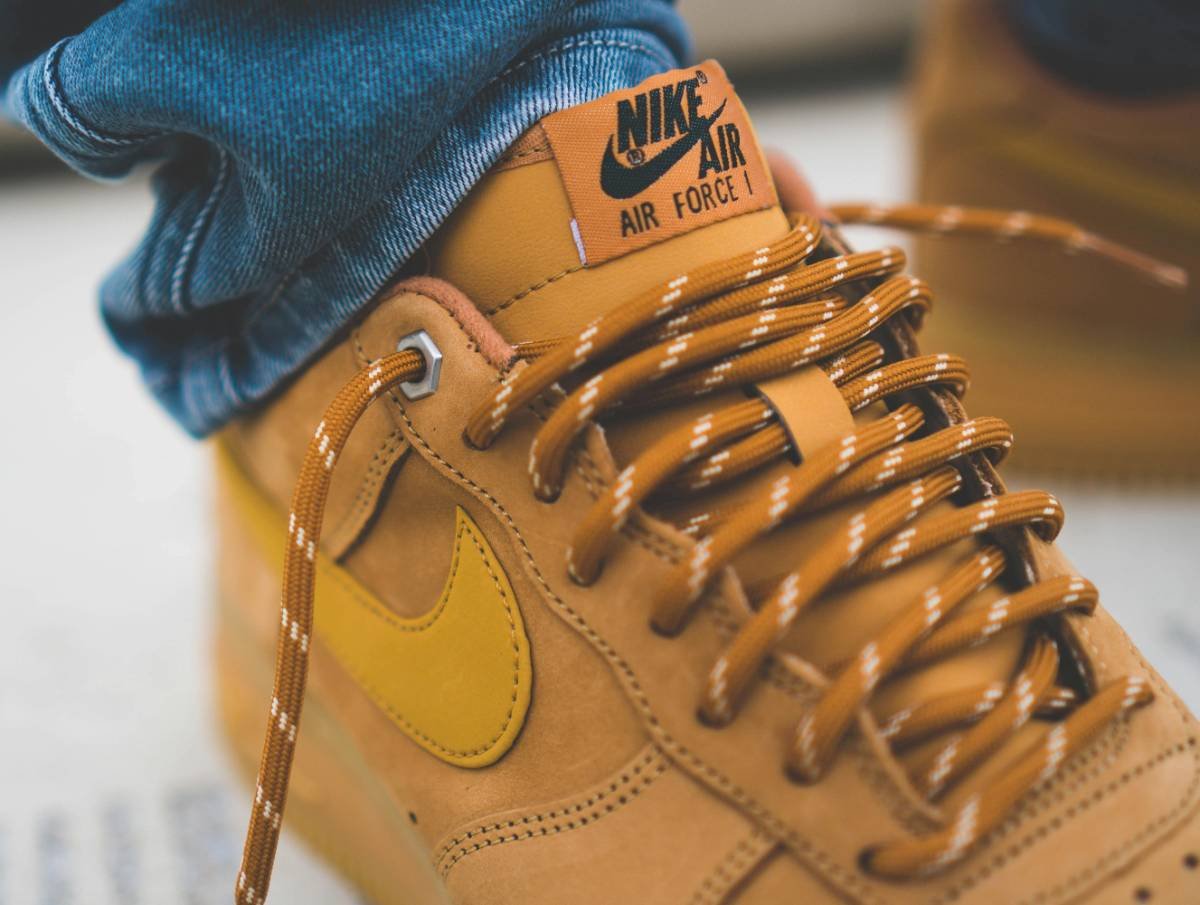
From exclusive sneaker drops to personalized app experiences, Nike has built an ecosystem that keeps users engaged daily, ensuring it remains part of their routine.
What Is Nike’s Core Strategy in 2026?
Nike’s strategy is built on four major pillars: direct-to-consumer dominance, data-driven personalization, scarcity through limited releases, and a strong digital ecosystem.
These elements work together to create a feedback loop where customers engage with Nike’s platforms, Nike collects insights, and then delivers better, more personalized experiences.
Why Is Nike Dominating the US Market?
Nike continues to lead the US market with a massive share in athletic footwear sales. The brand understands that modern consumers want experiences, not just products.
Instead of relying only on retail stores, Nike leverages apps and digital platforms to help users discover products, join raffles, and receive tailored recommendations.
How Limited Sneaker Drops Create Massive Demand
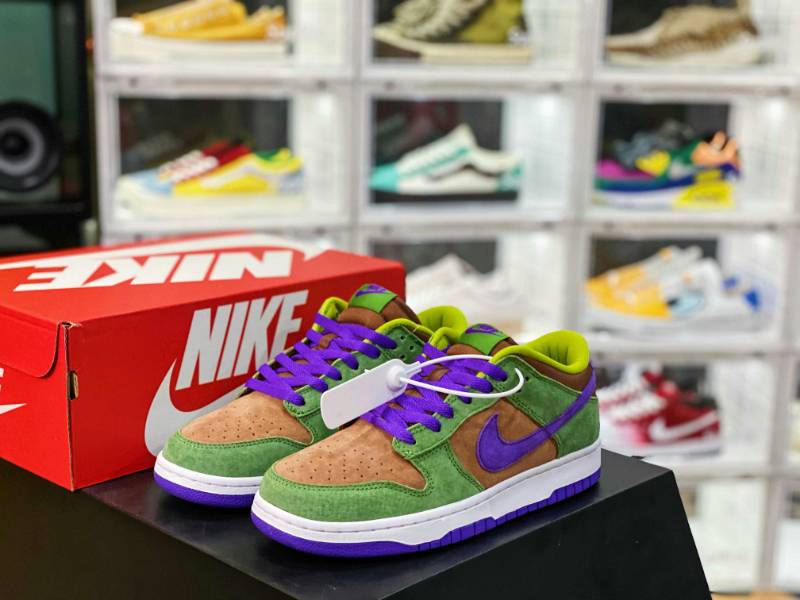
One of Nike’s most powerful tactics is controlled scarcity. By releasing sneakers in limited quantities, Nike creates urgency and excitement among buyers.
This strategy builds hype, fuels resale markets, and makes customers feel part of an exclusive community while driving consistent demand.
The Rise of Direct-to-Consumer (DTC) Sales
Nike’s shift toward direct-to-consumer sales allows it to sell products through its own platforms, including websites, apps, and branded stores.
This approach increases profit margins, strengthens brand control, and provides direct access to valuable customer data.
How Nike Uses Data to Personalize Customer Experiences
Data plays a central role in Nike’s success. Through its apps, Nike tracks user behavior, preferences, and activity patterns.
This allows the brand to recommend relevant products, send targeted notifications, and create highly personalized shopping experiences.
Nike’s Digital Ecosystem: More Than Just Shopping
Nike has transformed into a complete digital ecosystem where its apps serve as engagement platforms rather than just sales channels.
Users can work out, explore content, connect with communities, and shop—all within Nike’s ecosystem, ensuring daily interaction with the brand.
The Power of Storytelling in Nike’s Success
Nike excels at storytelling by focusing on inspiration, ambition, and resilience. Campaigns featuring athletes connect emotionally with audiences.
This emotional connection turns Nike into more than a brand—it becomes a symbol of identity and motivation.
Collaborations That Drive Hype and Culture
Nike collaborates with celebrities, designers, and artists to create limited-edition products that generate massive buzz.
These collaborations attract new audiences, increase visibility, and strengthen Nike’s cultural influence.
How Nike Stays Ahead of Emerging Competitors
Despite competition from newer brands, Nike stays ahead by continuously innovating, expanding product categories, and leveraging its strong global identity.
It doesn’t just follow trends—it creates them and scales them worldwide.
Practical Lessons Businesses Can Learn from Nike
Nike’s strategy offers valuable lessons such as building direct customer relationships, using data effectively, creating exclusivity, and focusing on long-term engagement.
These principles can help businesses across industries achieve sustainable growth.
Frequently Asked Questions (FAQs)
Why is Nike so successful in 2026? Nike combines innovation, digital engagement, and exclusivity to create strong customer connections.
What is Nike’s biggest strategy? Its biggest strength is direct-to-consumer sales combined with data-driven personalization.
How does Nike create hype? Through limited releases, collaborations, and strategic marketing.
Why are Nike sneakers sold out quickly? Because Nike limits supply to increase exclusivity and demand.
What apps does Nike use? Platforms like SNKRS, Nike Training Club, and Nike Run Club.
How does Nike use data? To personalize recommendations, marketing, and user experiences.
Is Nike losing market share? Competitors are growing, but Nike still dominates overall.
What makes Nike different from Adidas? Nike focuses heavily on digital ecosystems and direct engagement.
Are collaborations worth buying? Many hold cultural and resale value.
Is Nike’s strategy sustainable? Yes, because it evolves with technology and consumer behavior.
Final Thoughts
Nike’s dominance in 2026 is the result of a carefully designed strategy that blends technology, culture, and engagement.
By building a complete ecosystem, Nike ensures customers stay connected throughout their journey—setting the pace for the entire industry.
Must Reads
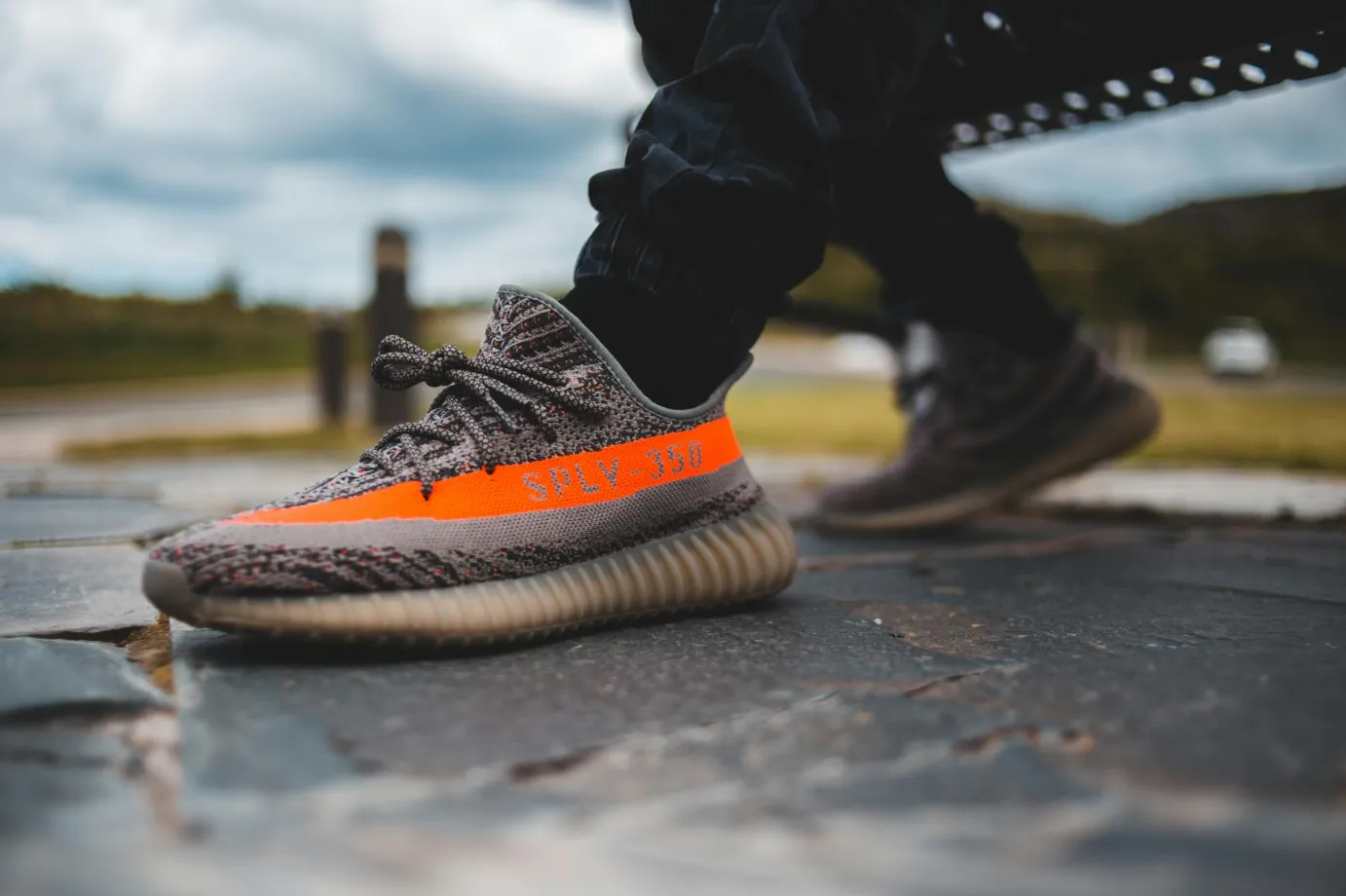
Yeezy 350 V2 Review: Comfort, Style, and Resale Value
The Adidas Yeezy 350 V2 has become one of the most iconic and sought-after sneakers in the world. Known for its clean design, primeknit upper, and signature boost technology, it has carved a niche for itself in the sneaker market. But does it truly live up to the hype? Let's break down its comfort, style, and resale value.

Vans Is Reinventing Itself—Here’s What You Didn’t Notice
Vans is quietly undergoing a powerful transformation, blending its skateboarding roots with modern fashion, digital innovation, and sustainability. While the changes may not be obvious at first glance, they are strategically reshaping the brand for a new generation.

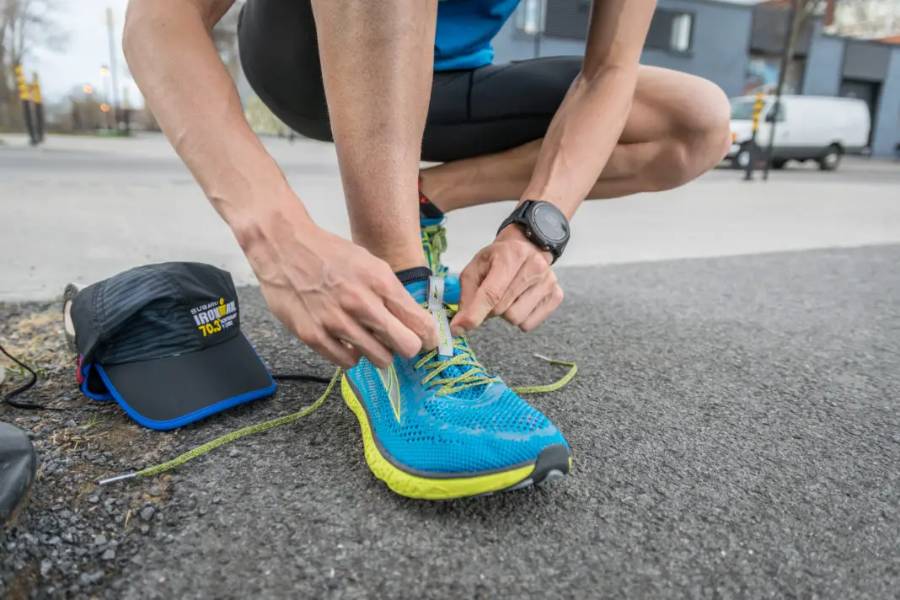
Best Sneakers for Running, Walking, and Everyday Wear in the U.S.
When it comes to finding the perfect sneakers for running, walking, and everyday wear, it's important to consider comfort, support, durability, and style. In 2025, several brands and models have emerged as the top choices for Americans seeking versatile sneakers that can handle various activities. Here's a breakdown of the best sneakers for running, walking, and everyday wear in the U.S.
Spencer Badu x Hoka Elevon X: A Cultural Fusion in Sneaker Design
Canadian-Ghanaian designer Spencer Badu has teamed up with performance footwear brand Hoka to deliver an unexpected and refreshing sneaker release: the Spencer Badu x Hoka Elevon X. This collaboration merges Hoka's reputation for ultra-cushioned performance with Badu’s minimalist design ethos and cultural depth, resulting in a sneaker that’s equally suited for the streets and the runway. The Elevon X isn’t just a product—it’s a story told through textiles, silhouettes, and values, reflecting Badu's ongoing exploration of identity, diaspora, and utilitarian fashion.
