
Brands
Editor's Choice

Vans Is Reinventing Itself—Here’s What You Didn’t Notice
Vans is quietly undergoing a powerful transformation, blending its skateboarding roots with modern fashion, digital innovation, and sustainability. While the changes may not be obvious at first glance, they are strategically reshaping the brand for a new generation.Why Vans Is Trending AgainFor decades, Vans has been a symbol of skate culture and effortless street style. However, in recent years, many began to question whether the brand had lost its edge.Now, that perception is changing. Vans is making subtle but impactful moves to reposition itself in a fast-evolving market driven by social media, fashion trends, and shifting consumer expectations.***A Shift to Culture-Driven LifestyleVans is no longer just a skateboarding brand. It is evolving into a broader cultural platform that connects fashion, music, art, and streetwear.Instead of relying only on classic designs, Vans is targeting fashion-forward audiences, streetwear enthusiasts, and digital-native consumers who value identity and expression.sneakerstyle321a.jpg***Reinventing the Product LineWhile iconic styles remain popular, Vans is experimenting with new designs and materials. Chunkier silhouettes, upgraded comfort, and sustainable fabrics are becoming more common.Consumers are now styling Vans in diverse ways—from oversized streetwear to semi-formal outfits—showing how versatile the brand has become.***The Power of Limited DropsVans has embraced limited releases and collaborations to build excitement. By partnering with designers, artists, and musicians, the brand creates exclusive collections that drive demand.These drops create urgency and make each release feel unique, aligning with modern consumer behavior shaped by hype culture.***Competing Without CompetingRather than directly competing with major sportswear giants, Vans is focusing on authenticity and storytelling. It prioritizes community and emotional connection over aggressive marketing.This strategy allows Vans to stand out without needing to match the scale of larger competitors.https://www.youtube.com/shorts/dx1NdFKHW1A***Sustainability as a Core FocusSustainability is becoming central to Vans’ identity. The brand is introducing eco-friendly materials, reducing its carbon footprint, and adopting more responsible production practices.Modern consumers are increasingly choosing brands that reflect their values, and Vans is aligning itself with this shift.***Winning Over Gen ZGen Z consumers are at the heart of Vans’ reinvention. This generation values authenticity, creativity, and individuality.Vans engages with them through social media, supports grassroots communities, and encourages self-expression rather than relying on traditional advertising.***Digital TransformationOne of the most overlooked changes is Vans’ move toward a digital-first approach. The brand is enhancing its online shopping experience with personalization, customization tools, and virtual try-ons.This ensures Vans remains competitive in a world where e-commerce continues to dominate.***A New Retail ExperienceVans stores are no longer just retail spaces—they are becoming community hubs. Interactive designs, art installations, and event spaces create meaningful connections with customers.This approach transforms shopping into an experience rather than a transaction.***Challenges Along the WayDespite its progress, Vans faces challenges such as intense competition, maintaining authenticity, and balancing heritage with innovation.Some longtime fans worry that the brand could lose its original identity if it leans too heavily into mainstream trends.***What This Means for ConsumersFor consumers, Vans’ reinvention brings more versatile designs, improved comfort, and stronger alignment with modern values like sustainability and individuality.Whether you’re a longtime fan or new to the brand, these changes enhance both style and experience.***Key TakeawaysVans is evolving from a skate brand into a cultural lifestyle brand. Limited drops, sustainability, and digital innovation are driving its resurgence.The brand’s focus on authenticity and community ensures it remains relevant in a competitive market.***ConclusionVans is not reinventing itself with loud announcements but through thoughtful, strategic changes. This quiet evolution is helping the brand build long-term relevance and reconnect with a new generation.Its journey proves that sometimes the most powerful transformations are the ones you barely notice.
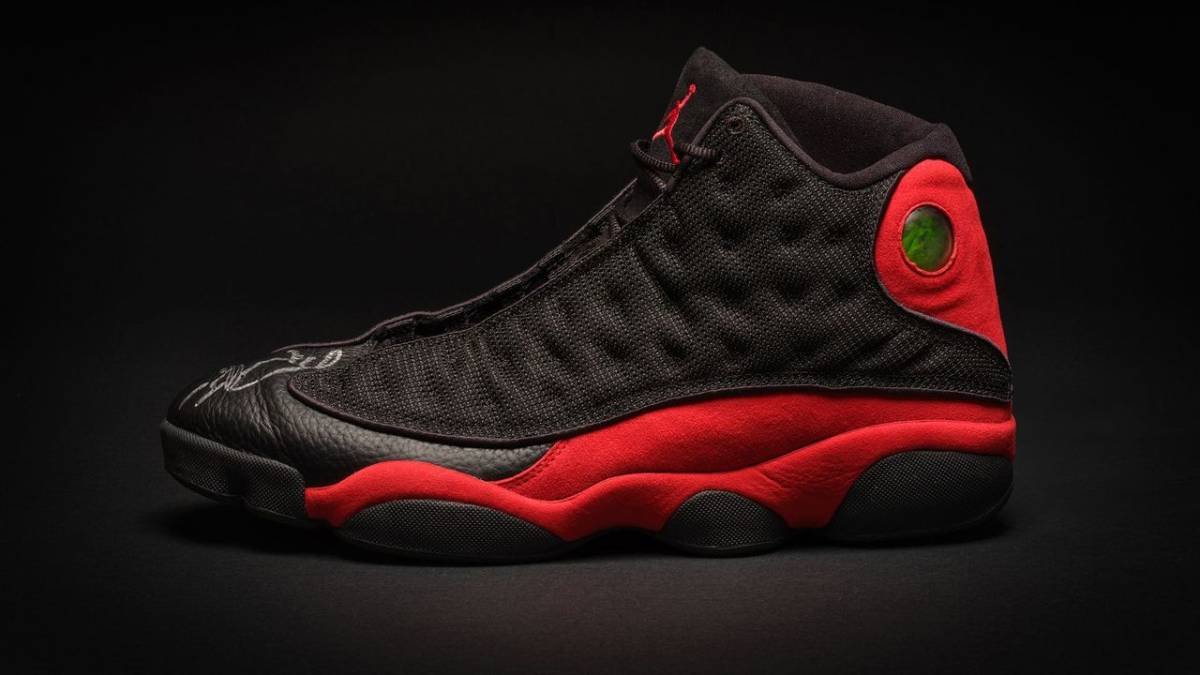
Is Jordan Brand Still Cool? The Truth Might Shock You
Jordan Brand remains one of the most iconic names in sneaker culture, but its definition of “cool” has evolved. In 2026, it’s less about dominating hype and more about timeless appeal, selective desirability, and legacy-driven influence.The Origin of Cool: How Jordan Brand Built Its LegacyThe journey began in 1984 when Michael Jordan partnered with Nike, creating a cultural revolution through sneakers.The Air Jordan 1 broke norms and became a symbol of identity, especially in cities like Chicago and New York, where owning Jordans meant status and belonging.***What Does “Cool” Mean in Today’s Sneaker Culture?The meaning of “cool” has shifted from rarity and celebrity endorsements to authenticity, comfort, and personal style.Today’s consumers mix brands freely, focusing more on individuality than loyalty.***Is Jordan Brand Still Popular? The Numbers Say YesJordan Brand continues to generate billions in revenue and remains one of the top-selling sneaker brands globally.Limited releases still sell out quickly, showing strong demand despite changing perceptions.***Why Some People Believe Jordan Brand Is Losing Its EdgeOversaturation has reduced exclusivity, with frequent releases making Jordans feel less rare.At the same time, modern consumers are prioritizing comfort, an area where newer brands often outperform classic Jordan designs.***Comfort Has Become a PriorityBrands focused on comfort and performance are gaining popularity, while many Jordan retros are based on older designs.This shift has influenced daily footwear choices, especially among working professionals.***Shift in Influencer and Celebrity TrendsJordan Brand no longer dominates celebrity culture as it once did, with influencers now promoting a wider range of brands.Social media platforms have accelerated trend cycles, reducing reliance on a single brand.***Why Jordan Brand Is Still Cool in 2026Despite challenges, Jordan Brand remains relevant due to its timeless designs and deep cultural roots.Iconic silhouettes continue to define streetwear style across generations.***Timeless Silhouettes Never Go Out of StyleModels like Air Jordan 1, 3, 4, and 11 remain staples in fashion.These designs are versatile and continue to be widely accepted as stylish.***Nostalgia Is a Powerful ForceJordan Brand carries emotional value tied to basketball history and cultural milestones.The legacy of Michael Jordan continues to influence sneaker culture today.sneakerstyle305a.jpg***Collaborations Keep the Brand RelevantStrategic collaborations help Jordan Brand stay fresh and appealing to younger audiences.Limited-edition releases drive demand and maintain cultural relevance.***Who Still Thinks Jordan Brand Is Cool?Loyal sneaker enthusiasts, selective Gen Z buyers, and the streetwear community continue to support the brand.For them, Jordans represent history, style, and identity.***Who Thinks Jordan Brand Is Falling Behind?Trend-driven consumers, comfort-focused buyers, and high-fashion audiences often look toward newer or more innovative brands.This shift highlights the changing priorities in sneaker culture.***Real-Life Sneaker Culture in 2026Modern consumers mix brands, wearing Jordans for style while choosing performance sneakers for daily comfort.Jordan is now part of a rotation rather than the only choice.***What Jordan Brand Must Do to Stay RelevantTo maintain its influence, Jordan Brand needs to focus on quality, innovation, storytelling, and stronger connections with younger audiences.Balancing heritage with modern expectations will be key.https://www.youtube.com/watch?v=Pmxc8oUsLOg***Practical Advice: Should You Still Buy Jordans?Jordans are ideal if you value classic style, sneaker history, and versatile streetwear options.However, they may not be the best choice if comfort or cutting-edge technology is your priority.***Frequently Asked Questions (FAQs)Are Jordans still popular in 2026? Yes, they remain one of the top-selling sneaker brands globally.Why are Jordans not as hyped as before? Oversaturation and changing trends have reduced exclusivity.Are Air Jordan 1s still in style? Yes, especially classic and limited editions.Are Jordans comfortable for daily wear? They are stylish but not the most comfortable for long hours.Why do Jordans sell out quickly? Limited supply and resale demand drive fast sellouts.Is Jordan Brand better than Nike? It focuses on lifestyle, while Nike leads in innovation.What brands compete with Jordan Brand? New Balance, Hoka, and On Running are growing competitors.Are Jordans a good investment? Some limited editions gain value, but not all.Will Jordans go out of style? Unlikely, as iconic models remain timeless.Should beginners start with Jordans? Yes, they are a great entry point into sneaker culture.***Final Verdict: Is Jordan Brand Still Cool?Jordan Brand is no longer the sole leader of sneaker culture, but it remains a timeless icon.Its influence has shifted from dominating trends to defining legacy, ensuring its relevance for years to come.

The Rise of New Balance: From Dad Shoes to Street Kings
Once labeled as “dad shoes,” New Balance has made a remarkable comeback, emerging as a dominant force in modern streetwear. By focusing on comfort, authenticity, and strategic collaborations, the brand is now competing with industry giants and redefining sneaker culture.Introduction: A Comeback No One Saw ComingFor years, New Balance stayed in the background of the sneaker industry, known more for practicality than style.However, as fashion shifted toward comfort and minimalism, the brand found itself perfectly positioned for a resurgence without changing its core identity.***How Did New Balance Become Popular Again?New Balance’s comeback is rooted in authenticity. Instead of chasing trends, it embraced its strengths—comfort, durability, and timeless design.This approach resonated strongly with younger consumers who value subtlety over hype.***Why Are New Balance Sneakers Trending in the US?Changing lifestyles, especially after the pandemic, increased demand for versatile and comfortable footwear.Consumers began choosing sneakers that could transition seamlessly between work, travel, and casual settings.***The Power of Collaborations: A Game-ChangerStrategic collaborations with designers and cultural influencers helped elevate New Balance into the streetwear spotlight.sneakerstyle304a.jpgLimited-edition releases created hype while maintaining the brand’s authentic image.***What Makes New Balance Different From Nike and Adidas?New Balance stands out through its focus on comfort, quality, and understated design rather than aggressive marketing or hype-driven releases.This makes it appealing for everyday wear and long-term use.***Why Do Younger Generations Love New Balance?Gen Z and millennials appreciate the brand’s “quiet luxury” aesthetic and versatile styling options.Its minimalist branding aligns with modern fashion preferences that prioritize individuality.***Most Popular New Balance Sneakers Right NowModels like the 550, 990 series, 2002R, 9060, and 574 have become staples in streetwear and casual fashion.These sneakers combine retro inspiration with modern comfort.***Are New Balance Sneakers Worth the Price?Despite higher price points, New Balance offers long-term value through durability and superior comfort.Investing in a quality pair often proves more cost-effective over time.https://www.youtube.com/shorts/WaNMrzpwabI***The “Ugly Sneaker” Trend and Its ImpactThe rise of chunky sneaker trends helped New Balance gain mainstream appeal.Oversized silhouettes once considered unfashionable are now a defining element of modern street style.***How New Balance Fits Into Today’s Streetwear CultureNew Balance complements modern outfits with subtle sophistication rather than dominating them.It is especially popular among minimalist fashion enthusiasts and creative professionals.***Challenges New Balance May FaceAs demand grows, the brand must avoid overexposure while maintaining its core identity.Balancing hype and authenticity will be crucial for long-term success.***Practical Buying Guide: Should You Choose New Balance?Choose New Balance if you want comfort, versatility, and premium quality.Consider other brands if you prioritize performance sports features or bold statement designs.***Frequently Asked Questions (FAQs)Why is New Balance so popular right now? Because it aligns with modern trends like comfort, minimalism, and authenticity.Are New Balance sneakers good for everyday wear? Yes, they are ideal for all-day comfort and versatility.Which model is best for beginners? The 574 and 990 series are great starting points.Are they better than Nike? It depends—New Balance excels in comfort, while Nike leads in performance.Do New Balance sneakers last long? Yes, they are known for durability.Are they comfortable for walking? Absolutely, they are among the most comfortable options.Why are they expensive? Premium materials and craftsmanship increase their value.Are they in fashion? Yes, they are highly popular in streetwear.Do celebrities wear them? Yes, many influencers and public figures prefer them.Will New Balance stay popular? Likely yes, if it maintains authenticity and quality.***Final ThoughtsNew Balance’s transformation from “dad shoes” to streetwear leaders highlights the power of authenticity and consistency.By staying true to its identity while adapting to modern trends, the brand has secured a strong position in today’s sneaker culture.
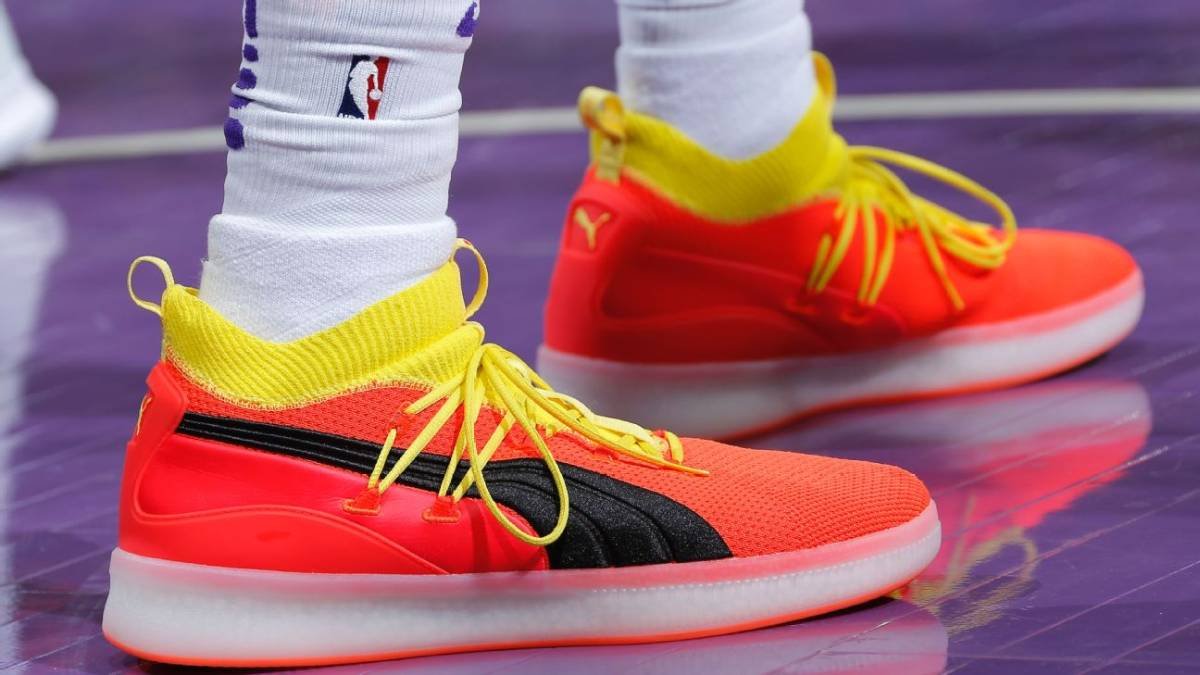
Puma’s Unexpected Comeback Is Turning Heads Everywhere
Puma has staged one of the most surprising comebacks in the sneaker and sportswear industry by blending cultural relevance, celebrity influence, and accessible pricing. Once overlooked, Puma is now winning over Gen Z and millennials with bold designs and improved quality.Introduction: The Comeback No One Saw ComingJust a few years ago, Puma was often overshadowed by bigger competitors and seen as a legacy brand rather than an exciting one.Today, Puma has re-entered mainstream culture through trendy designs, influencer collaborations, and a strong presence across fashion and streetwear scenes.***Why Is Puma Trending Again in 2026?Puma’s resurgence is driven by smart strategy and a deep understanding of modern consumers.Key factors include lifestyle-focused sneakers, affordable pricing, strong social media marketing, and expansion into inclusive fashion segments.***How Did Puma Reinvent Its Brand Image?Instead of competing directly with industry leaders, Puma carved its own identity by blending style with accessibility.This repositioning has made Puma sneakers a common sight in urban fashion and college campuses.***The Power of Celebrity CollaborationsPuma has invested heavily in collaborations with celebrities, athletes, and designers to boost cultural relevance.sneakerstyle303a.jpgThese partnerships generate hype, attract younger audiences, and strengthen the brand’s connection with pop culture.***What Are the Most Popular Puma Sneakers Right Now?Puma’s lineup includes standout models like RS-X, Suede Classic, Future Rider, Puma Cali, and Deviate Nitro.Each caters to different audiences, from casual wearers to performance-focused athletes.***Is Puma Competing with Nike and Adidas Again?Yes, but Puma is taking a different approach by focusing on value-driven style rather than direct competition in innovation or hype.This allows Puma to stand out in a crowded market while offering accessible fashion.***Why Are Younger Consumers Choosing Puma?Gen Z and millennials prefer authenticity, affordability, and unique designs—areas where Puma excels.Its bold colorways and experimental styles make it appealing to those seeking individuality.***Has Puma Improved Its Product Quality?Puma has significantly upgraded its product quality with better cushioning, lightweight materials, and enhanced durability.These improvements make the brand suitable for both casual wear and athletic performance.https://www.youtube.com/shorts/IpepZm0nZFQ***The Role of Social Media in Puma’s GrowthPuma uses social media as a primary marketing tool, focusing on influencer collaborations and storytelling.This strategy makes the brand feel modern, relatable, and engaging to digital-first audiences.***Is Puma Worth Buying Today?Puma is a great option for those looking for stylish, comfortable, and affordable sneakers without the pressure of hype culture.It offers strong value for everyday users.***Real-Life Example: Why People Are Switching to PumaMany consumers are choosing Puma over expensive alternatives because it delivers similar style at a more accessible price point.This shift reflects a growing preference for value-driven purchases.***What Makes Puma Different from Other Brands?Puma stands out by balancing style, comfort, affordability, and cultural relevance.This combination appeals to a wide range of consumers across different lifestyles.***Practical Tips Before Buying Puma SneakersChoose lifestyle models for daily wear and performance models for workouts.Check sizing reviews, look for discounts, and explore limited editions for added value.***Frequently Asked Questions (Top Trending Queries)Is Puma a good brand in 2026? Yes, it is one of the fastest-growing sportswear brands among younger audiences.Why is Puma cheaper than Nike? Puma focuses on affordability while maintaining quality and style.Are Puma sneakers comfortable? Yes, they offer good cushioning and lightweight comfort.Is Puma good for running? Yes, especially performance models like Deviate Nitro.Why is Puma popular again? Due to collaborations, trendy designs, and strong social media presence.Are Puma shoes durable? Yes, modern Puma shoes offer solid durability.Is Puma better than Adidas? It depends on preference, but Puma is more affordable.Do Puma sneakers have resale value? Some limited editions do, but generally less than Nike.Who wears Puma the most? Gen Z, millennials, and influencers.Where can I buy authentic Puma products? Official stores and authorized retailers are the best options.***Final Verdict: Is Puma’s Comeback Real or Just Hype?Puma’s resurgence is a well-executed transformation driven by strategy, cultural awareness, and improved product quality.It is no longer just a legacy brand—it is a strong and relevant competitor in today’s sneaker market.
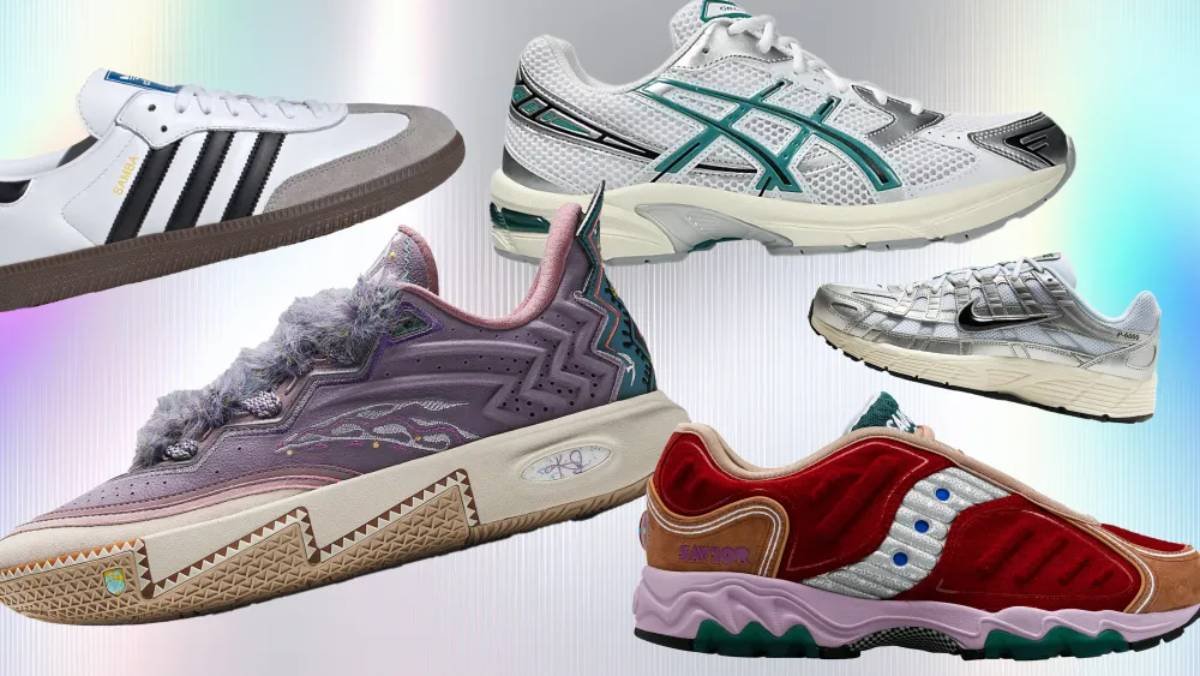
Why Adidas Is Losing Hype (And What They’re Doing Next)
Adidas has experienced a noticeable drop in cultural hype, especially in the U.S., due to over-reliance on past collaborations, lack of breakthrough innovation, and stronger competition. However, the brand is actively rebuilding through new strategies focused on performance, sustainability, and authenticity.What Happened to Adidas? A Deep Dive Into the DeclineAt one point, Adidas was dominating sneaker culture with iconic models seen everywhere across major cities.But today, consumer perception has shifted, with many questioning why the brand feels less exciting and whether it has lost its edge.***The Yeezy Effect: Rise and CollapseOne of the biggest drivers of Adidas’ hype was its partnership with Kanye West, which turned Yeezy into a global cultural phenomenon.However, after the partnership ended in 2022, Adidas lost a major revenue stream and a consistent source of hype.***Lack of Innovation: Where Adidas Fell BehindInnovation is critical in sneaker culture, and while Adidas once led with Boost technology, it has struggled to introduce something equally groundbreaking in recent years.Meanwhile, competitors continue to evolve designs and push new trends, leaving Adidas behind in perceived innovation.***Oversaturation of ClassicsModels like Superstar and Stan Smith became too widely available, reducing their exclusivity and appeal.sneakerstyle302a.jpgIn sneaker culture, scarcity drives demand, and overexposure can weaken desirability over time.***Stronger Competition in the U.S.The U.S. sneaker market is highly competitive, with Nike dominating through storytelling and limited releases, while New Balance thrives on comfort and authenticity.Adidas, in comparison, has struggled to maintain a clear and consistent identity.***Changing Consumer Behavior (Gen Z Impact)Gen Z consumers are reshaping the market by prioritizing authenticity, sustainability, and individuality over hype.Instead of following trends, many now prefer niche or emerging brands that feel more unique.***What Adidas Is Doing NextDespite challenges, Adidas is actively rebuilding its strategy by focusing on innovation, collaborations, and long-term brand positioning.The company is working to regain cultural relevance while strengthening its core product offerings.***New Collaborations: A Fresh StartAdidas is diversifying partnerships by working with multiple designers and creators instead of relying on a single figure.This approach reduces risk and helps rebuild hype more organically.***Performance Over HypeThe brand is returning to its roots by focusing on performance-driven products, including running shoes and athlete-tested designs.This shift emphasizes comfort, durability, and real functionality over pure hype.***Sustainability as a Growth StrategyAdidas has invested heavily in eco-friendly initiatives, including recycled materials and reduced carbon footprint production.This aligns with modern consumer expectations, although the brand still needs stronger storytelling to communicate these efforts effectively.***Is Adidas Still Worth Buying?Adidas remains a strong choice for consumers seeking comfort, performance, and affordability without the stress of limited releases.Its products are widely available and practical for everyday use.https://www.youtube.com/watch?v=73O81rxazoQ***Practical Takeaways for ConsumersFocus on performance models for comfort and durability rather than overused classics.Look for new releases and upcoming collaborations instead of chasing outdated hype.***Frequently Asked Questions (FAQ)Is Adidas losing popularity in the U.S.? Adidas is losing hype in sneaker culture but remains strong globally.Why did Adidas lose hype? Overdependence on Yeezy, lack of innovation, and strong competition contributed to the decline.Is Adidas still a good brand? Yes, especially for comfort, performance, and affordability.What happened after Yeezy ended? Adidas lost a major cultural driver and is now rebuilding its identity.Is Nike better than Adidas? Nike leads in hype, while Adidas excels in comfort and pricing.Are Adidas sneakers still trendy? Some models remain popular, but overall hype has declined.Will Adidas make a comeback? Yes, through innovation and diversified collaborations.Why are Gen Z consumers moving away? They prefer authenticity and unique styles over mainstream hype.Is Adidas focusing on sustainability? Yes, it is a major part of their future strategy.What are the best Adidas shoes right now? Ultraboost, Samba, and performance models remain top choices.***Final Thoughts: A Brand in TransitionAdidas is not disappearing—it is evolving into a brand focused on long-term growth through innovation and sustainability.While it may have lost some hype, its strong foundation positions it well for a future comeback.
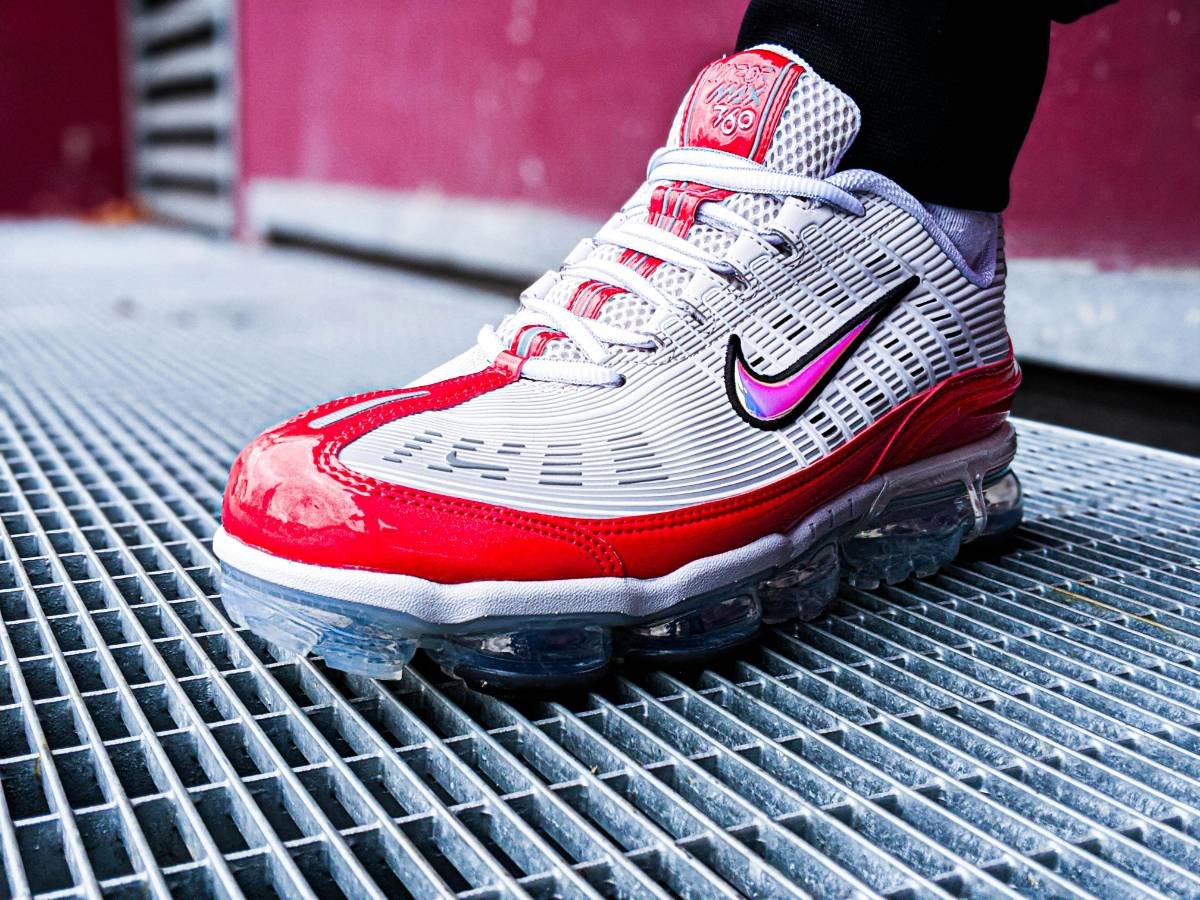
Nike’s Secret Strategy That’s Quietly Dominating 2026
Nike is not just leading the sneaker market in 2026—it is quietly redefining how brands connect with customers. By combining direct-to-consumer dominance, data-driven personalization, limited-edition releases, and a powerful digital ecosystem, Nike has created a strategy that keeps customers engaged far beyond a single purchase.Introduction: Why Everyone Is Talking About Nike in 2026Nike has always been a global leader in sportswear, but its current dominance goes far beyond iconic sneakers or celebrity endorsements. In 2026, Nike operates more like a tech-driven lifestyle platform than a traditional retail brand.sneakerstyle301a.jpgFrom exclusive sneaker drops to personalized app experiences, Nike has built an ecosystem that keeps users engaged daily, ensuring it remains part of their routine.***What Is Nike’s Core Strategy in 2026?Nike’s strategy is built on four major pillars: direct-to-consumer dominance, data-driven personalization, scarcity through limited releases, and a strong digital ecosystem.These elements work together to create a feedback loop where customers engage with Nike’s platforms, Nike collects insights, and then delivers better, more personalized experiences.***Why Is Nike Dominating the US Market?Nike continues to lead the US market with a massive share in athletic footwear sales. The brand understands that modern consumers want experiences, not just products.Instead of relying only on retail stores, Nike leverages apps and digital platforms to help users discover products, join raffles, and receive tailored recommendations.***How Limited Sneaker Drops Create Massive DemandOne of Nike’s most powerful tactics is controlled scarcity. By releasing sneakers in limited quantities, Nike creates urgency and excitement among buyers.This strategy builds hype, fuels resale markets, and makes customers feel part of an exclusive community while driving consistent demand.***The Rise of Direct-to-Consumer (DTC) SalesNike’s shift toward direct-to-consumer sales allows it to sell products through its own platforms, including websites, apps, and branded stores.This approach increases profit margins, strengthens brand control, and provides direct access to valuable customer data.***How Nike Uses Data to Personalize Customer ExperiencesData plays a central role in Nike’s success. Through its apps, Nike tracks user behavior, preferences, and activity patterns.This allows the brand to recommend relevant products, send targeted notifications, and create highly personalized shopping experiences.***Nike’s Digital Ecosystem: More Than Just ShoppingNike has transformed into a complete digital ecosystem where its apps serve as engagement platforms rather than just sales channels.Users can work out, explore content, connect with communities, and shop—all within Nike’s ecosystem, ensuring daily interaction with the brand.***The Power of Storytelling in Nike’s SuccessNike excels at storytelling by focusing on inspiration, ambition, and resilience. Campaigns featuring athletes connect emotionally with audiences.This emotional connection turns Nike into more than a brand—it becomes a symbol of identity and motivation.***Collaborations That Drive Hype and CultureNike collaborates with celebrities, designers, and artists to create limited-edition products that generate massive buzz.These collaborations attract new audiences, increase visibility, and strengthen Nike’s cultural influence.https://www.youtube.com/watch?v=E3WLa7nDnUI***How Nike Stays Ahead of Emerging CompetitorsDespite competition from newer brands, Nike stays ahead by continuously innovating, expanding product categories, and leveraging its strong global identity.It doesn’t just follow trends—it creates them and scales them worldwide.***Practical Lessons Businesses Can Learn from NikeNike’s strategy offers valuable lessons such as building direct customer relationships, using data effectively, creating exclusivity, and focusing on long-term engagement.These principles can help businesses across industries achieve sustainable growth.***Frequently Asked Questions (FAQs)Why is Nike so successful in 2026? Nike combines innovation, digital engagement, and exclusivity to create strong customer connections.What is Nike’s biggest strategy? Its biggest strength is direct-to-consumer sales combined with data-driven personalization.How does Nike create hype? Through limited releases, collaborations, and strategic marketing.Why are Nike sneakers sold out quickly? Because Nike limits supply to increase exclusivity and demand.What apps does Nike use? Platforms like SNKRS, Nike Training Club, and Nike Run Club.How does Nike use data? To personalize recommendations, marketing, and user experiences.Is Nike losing market share? Competitors are growing, but Nike still dominates overall.What makes Nike different from Adidas? Nike focuses heavily on digital ecosystems and direct engagement.Are collaborations worth buying? Many hold cultural and resale value.Is Nike’s strategy sustainable? Yes, because it evolves with technology and consumer behavior.***Final ThoughtsNike’s dominance in 2026 is the result of a carefully designed strategy that blends technology, culture, and engagement.By building a complete ecosystem, Nike ensures customers stay connected throughout their journey—setting the pace for the entire industry.
Must Reads

The Untold Story Behind Converse’s Timeless Popularity
Converse has remained one of the most iconic footwear brands for over a century. From sports courts to music stages and everyday streetwear, its appeal lies in simplicity, authenticity, and cultural adaptability.


Luxury Meets Street: Gucci Sneakers Are Back in Demand
Gucci sneakers are making a strong comeback, blending high-end luxury with streetwear culture. Driven by celebrity influence and changing fashion trends, they have become a symbol of style, comfort, and individuality.

Reebok’s Bold Move That Could Change Everything
Reebok is making a bold comeback through a powerful combination of strategic repositioning, cultural collaborations, and a renewed focus on its fitness-first identity. After years of being overshadowed, the brand is now reshaping its future with clarity and purpose.

How ASICS Became the New Streetwear Obsession
ASICS has evolved from a performance-focused running brand into one of the most influential names in modern streetwear. By blending comfort, nostalgia, and smart collaborations, it has captured the attention of a new generation of fashion-conscious consumers.
Vans Is Reinventing Itself—Here’s What You Didn’t Notice
Vans is quietly undergoing a powerful transformation, blending its skateboarding roots with modern fashion, digital innovation, and sustainability. While the changes may not be obvious at first glance, they are strategically reshaping the brand for a new generation.

Is Jordan Brand Still Cool? The Truth Might Shock You
Jordan Brand remains one of the most iconic names in sneaker culture, but its definition of “cool” has evolved. In 2026, it’s less about dominating hype and more about timeless appeal, selective desirability, and legacy-driven influence.
The Rise of New Balance: From Dad Shoes to Street Kings
Once labeled as “dad shoes,” New Balance has made a remarkable comeback, emerging as a dominant force in modern streetwear. By focusing on comfort, authenticity, and strategic collaborations, the brand is now competing with industry giants and redefining sneaker culture.
Puma’s Unexpected Comeback Is Turning Heads Everywhere
Puma has staged one of the most surprising comebacks in the sneaker and sportswear industry by blending cultural relevance, celebrity influence, and accessible pricing. Once overlooked, Puma is now winning over Gen Z and millennials with bold designs and improved quality.
Why Adidas Is Losing Hype (And What They’re Doing Next)
Adidas has experienced a noticeable drop in cultural hype, especially in the U.S., due to over-reliance on past collaborations, lack of breakthrough innovation, and stronger competition. However, the brand is actively rebuilding through new strategies focused on performance, sustainability, and authenticity.
Nike’s Secret Strategy That’s Quietly Dominating 2026
Nike is not just leading the sneaker market in 2026—it is quietly redefining how brands connect with customers. By combining direct-to-consumer dominance, data-driven personalization, limited-edition releases, and a powerful digital ecosystem, Nike has created a strategy that keeps customers engaged far beyond a single purchase.

How U.S. Sneaker Brands Influence Global Fashion Trends
U.S. sneaker brands have long held a dominant position not just in domestic markets, but also in shaping global fashion narratives. With roots in both athletic performance and urban streetwear, these brands have evolved into powerful trendsetters whose influence stretches from New York to Tokyo, Los Angeles to London. The cultural capital they wield has turned sneakers into status symbols, lifestyle markers, and even tools for self-expression across the globe.

Emerging Sneaker Brands Gaining Popularity in the United States
While giants like Nike and Adidas dominate headlines, a new wave of emerging sneaker brands is quietly disrupting the U.S. market. These companies bring fresh perspectives, niche appeals, and bold innovations that resonate with today’s more discerning and style-savvy consumers. Often born out of dissatisfaction with the status quo, these rising stars are gaining traction through storytelling, community-building, and a willingness to challenge conventional sneaker norms.

Comparing Nike, Adidas, and Under Armour in the U.S. Sneaker Scene
The U.S. sneaker market has evolved into a battleground of innovation, cultural relevance, and brand loyalty. Among the top contenders, Nike, Adidas, and Under Armour have carved out distinct identities while competing fiercely for market share and cultural dominance. Each brand has developed a unique strategy that appeals to different consumer bases—ranging from elite athletes and streetwear enthusiasts to tech-forward runners and casual sneakerheads. By comparing their design philosophies, marketing tactics, and cultural resonance, we gain insight into how these three giants influence the American sneaker landscape.

The Rise of American Sneaker Culture: Brands That Shaped It
Sneakers in America have grown far beyond their original purpose as athletic footwear—they've become a powerful symbol of identity, style, and cultural expression. Over the decades, sneakers have transitioned from sports gear to fashion essentials, dominating the worlds of music, art, and street style. From basketball courts to music festivals, they represent personal taste, social belonging, and sometimes even political statements. American sneaker culture is a rich result of years of evolution, grassroots movements, and strategic brand storytelling, with several iconic brands playing pivotal roles in defining its legacy.

Top Sneaker Brands Dominating the U.S. Market
The sneaker industry in the United States has evolved into a multi-billion-dollar market driven by culture, sports, and fashion trends. While countless brands try to make their mark, a few household names consistently lead the charge. These brands combine heritage, innovation, and influence to remain at the forefront of the U.S. sneaker scene.